

Overclocking has never been considered a warranty issue by CPU manufacturers, but that hasn't stopped them from promoting it. Robert Hallock, who once worked on overclocking at AMD, began educating Intel processor buyers about overclocking techniques for the Arrow Lake processor family in his new position.
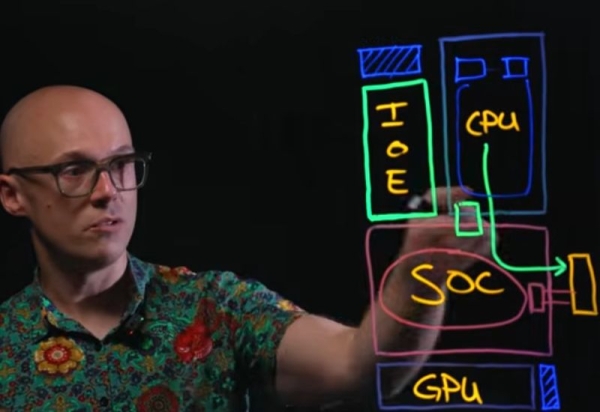
The first video on this topic is rather laconic in its content and, as is typical for this author, boils down to a demonstration of processor layout diagrams and the interactions between them, displayed on a transparent surface. Intel has long since transitioned to multi-chip processor packaging, and while it doesn't yet manufacture a significant portion of these dies in-house, Robert Hallock explained how the typical modern layout contributes to system performance optimization for overclocking.
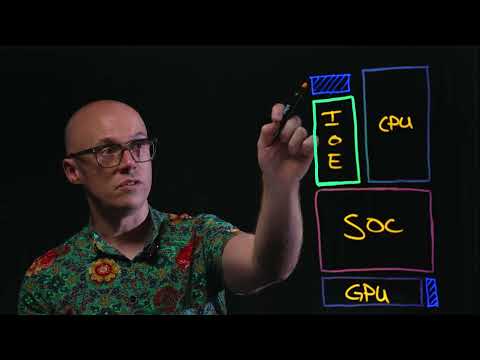
Another unique design feature of the Core Ultra 200 processor family is the presence of two support dies (shown in the diagram as blue shaded areas). These are essentially pieces of silicon without any computing functionality, designed to more evenly distribute mechanical pressure under the heat spreader cover and eliminate large voids.
Source:
Source: 3dnews.ru

