

At its quarterly earnings call, Intel celebrated, which cannot fully meet the demand for its processors, and today the agency Reuters AMD announced that its Chinese customers had received notifications about possible delivery delays. AMD's Chinese customers also received similar notifications.
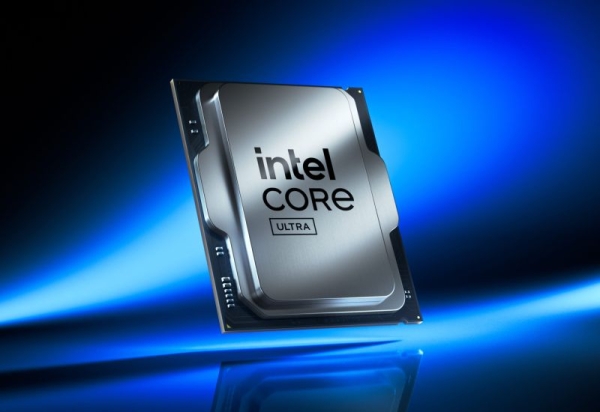
As a reminder, in Intel's case, the processor shortage was caused by insufficient yield. The company's management believes that it will take some time to resolve the issue. The company notified Chinese customers that delivery dates for certain batches of processors have been delayed by up to six months. Against this backdrop, Intel's server processor prices in China have increased by more than 10%. In this particular case, demand proved to be greater than Intel's ability to meet it in the Chinese market. The company expects to experience minimal availability of its processors in the current quarter, but hopes to begin increasing supply volumes starting in the second quarter.
The Chinese region accounts for approximately 20% of Intel's revenue, so such processor availability issues could significantly impact the company's revenue. Fourth- and fifth-generation Xeon processors are particularly in short supply. The company has backlogs of orders with expected delivery times stretching out over six months.
The situation with AMD processors is not as dire, but delivery times have also increased by 8 to 10 weeks, according to sources. The company is also making efforts to improve the situation. For both processor market players, TSMC currently supplies a significant portion of the dies, as Intel is only partially relying on its own factories for the current generation. TSMC is overloaded with orders from Nvidia and, to a lesser extent, Apple, so it prioritizes serving other customers.
According to UBS, Intel's share of the global server market fell from 90% to 60% between 2019 and 2025, while AMD's share grew from 5% to over 20%. The shortage of memory chips also contributed to the processor shortage, as server system operators rushed to buy them ahead of schedule, fearing further price increases. Furthermore, demand for server infrastructure itself remains high amid the AI boom. The growing popularity of AI agents, which rely more heavily on CPU resources, is also contributing.
Source:
Source: 3dnews.ru
