

Starting today, May 1, Valve will begin accepting pre-orders for its new Index virtual reality headset. Along with this, the company unveiled the specifications and features of its new device and, of course, announced the price. To get straight to the point—the price is quite substantial for a VR headset at $999.
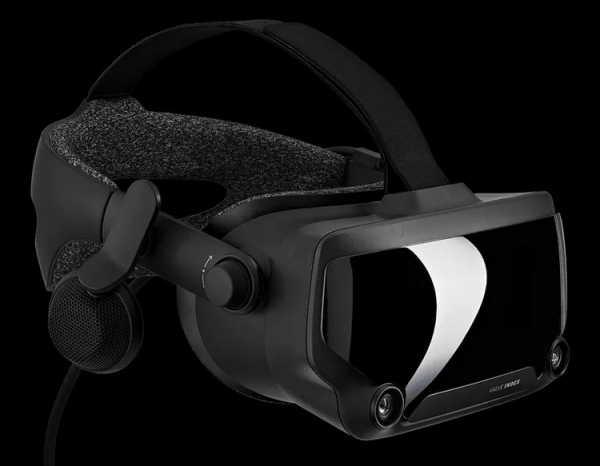
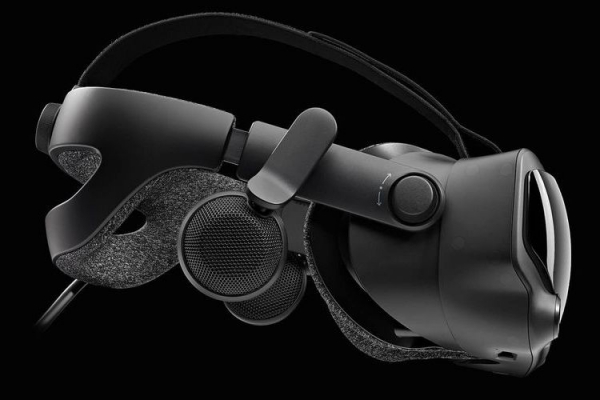
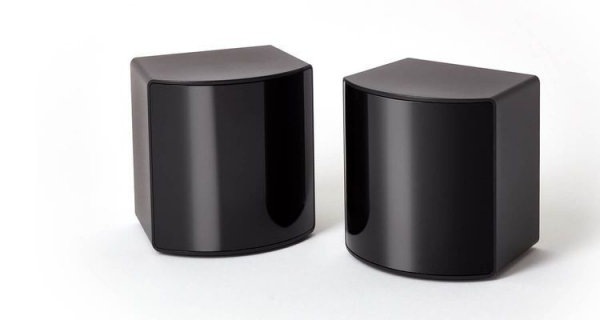
So what does Valve offer us for nearly a thousand dollars? The Valve Index headset connects to a gaming computer with a five-meter cable and uses base stations for precise positioning of the user and the headset in space. This new product is quite similar to the long-established HTC Vive headset, which was also developed with the involvement of Valve. Interestingly, the base stations from Vive are also compatible with the new device. Thanks to the base stations, large immersion spaces in virtual reality can be provided—up to 10 m² when using four stations. The headset also features a couple of cameras, which are not used for spatial positioning but allow users to see the surrounding world. Essentially, the cameras can turn the headset into an augmented reality device.
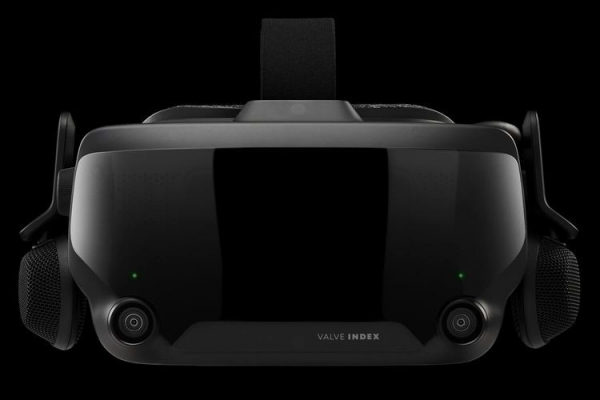
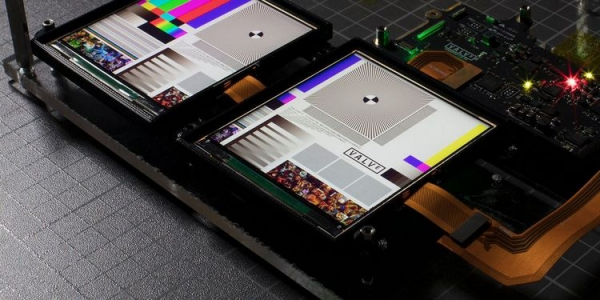
For visual output inside the headset, there are two LCD screens, each boasting a resolution of 1440 × 1600 pixels. Interestingly, many other high-end headsets now use quality OLED screens. However, Valve decided to stand out in another way: the displays used in the Index operate at a refresh rate of 120 Hz and also feature an experimental mode with a refresh rate of 144 Hz. A higher display refresh rate, as is known, enhances image perception, especially in VR headsets.
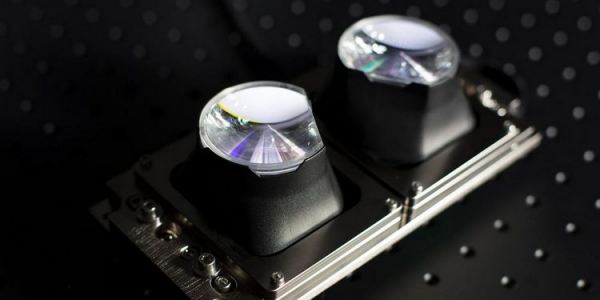
The Valve Index also features the ability to adjust the distance between the lenses for more comfortable use. According to the developers, the headset's lenses provide a 20-degree wider field of view compared to the HTC Vive.
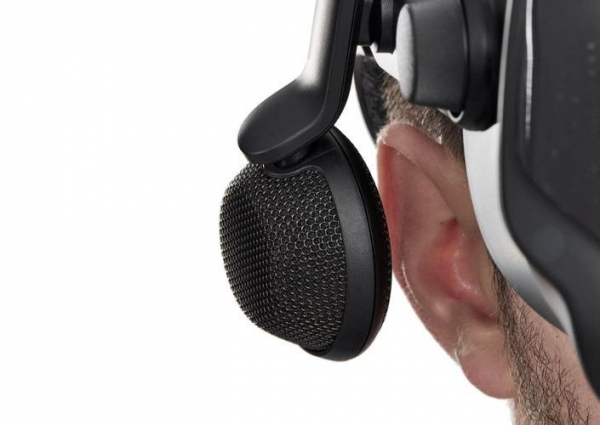
What appears to be built-in headphones in the Valve Index headset are actually not. It turns out that these are speakers designed in such a way that they do not touch your ears but instead create a surround sound experience around your head. There is also a 3.5 mm jack for regular headphones.
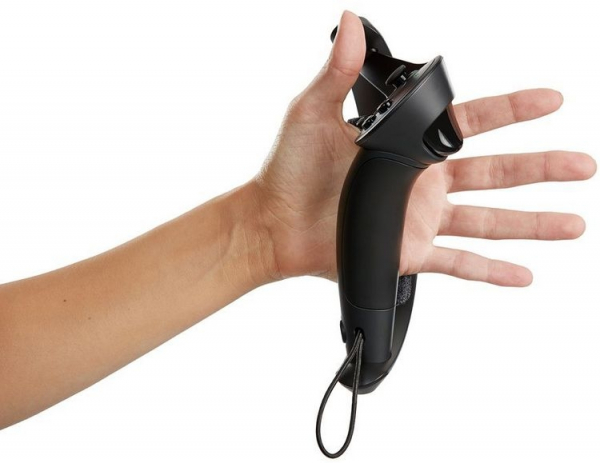
Talán a Valve Index legérdekesebb része a kontroller. Amíg a kontrollert viseli a felhasználó, 87 különböző érzékelő nyomon követi a kezek és az ujjak helyzetét, sőt azt is, hogy mennyire erősen szorítja a készüléket. Az új kontrollerek sokkal realisztikusabb és kényelmesebb interakciót fognak biztosítani a virtuális tárgyakkal, mint ahogy azt a HTC Vive vagy az Oculus Touch kontrollerek tették.
A Polygon forrása, amelynek munkatársai már kipróbálták a Valve Index új fejhallgatójának előzetes példányát, megállapította, hogy jól működik. A kontrollerek kényelmesek, bár van egy kis késleltetés. Az optika kiváló minőségű. Ráadásul lehetőség van arra is, hogy a fejhallgatót sima szemüveggel használják.

A Valve az Indexet úgy pozicionálja, mint egy VR-fejhallgatót az olyan lelkesedő felhasználók számára, akiknek nagyon erős gaming asztali számítógépük van, és akik anyagi szempontból nincsenek korlátozva. A legminimalistább PC követelmények a következők: dupla magos processzor Hyper-Threadinggel, 8 GB RAM, GeForce GTX 970 vagy Radeon RX 480 grafikus kártya, USB 3.0, valamint Windows 10, Linux vagy SteamOS.
Sajnos a Valve egyelőre nem ad részleteket az új VR-játékokról. Emlékeztetőül, pletykák szerint három nagyobb VR-projekt fejlesztése folyamatban van, amelyek teljes mértékben kiaknázhatják a Valve Index előnyeit. Egyelőre a Valve csak annyit ígér, hogy idén egyszer „flagship VR játékot” bemutat.
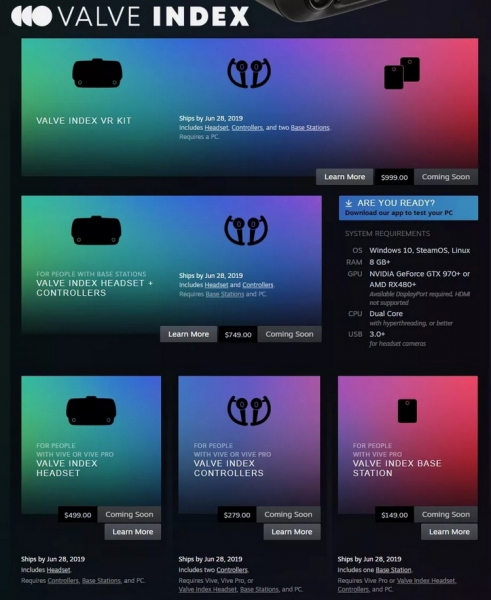
A Valve Index fejhallgató egy pár kontrollerrel és egy pár bázisállomással 999 dollárba kerül az Egyesült Államokban és 1079 euróba Európában. A bázisállomák nélküli készlet ára 749 dollár vagy 799 euró. A fejhallgatót külön meg lehet vásárolni 499 dollárért vagy 539 euróért. Egy pár kontroller 279 dollárba vagy 299 euróba kerül, míg az új bázisállomások 149 dollárba vagy 159 euróba kerülnek darabonként. Az új termékek szállítása június 28-án kezdődik.
Forrás: 3dnews.ru
