

A Hinrich Foundation, a global economic organization, published excerpts from an analytical report by AlphaBeta on threats to China's economy up to 2030. It is projected that over the next 10 years, retail and other consumer segment trading, including online, could generate around $5.5 trillion (37 trillion yuan) for the country. This is roughly one-fifth of China's expected gross domestic product over the next decade. The figure is simply colossal, but, considering China's population, quite achievable. However, there is one caveat. If China does not prioritize strengthening data privacy protection and continues to turn a blind eye to intellectual property theft, it risks missing out on a significant portion of the anticipated revenues.
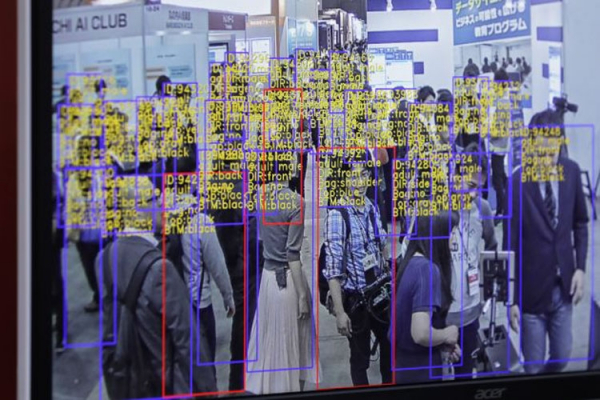
Analysts believe that the closed nature of the internet in China, including the blockage of The New York Times, Facebook, Twitter, and YouTube, as well as restrictions on Google searches, will hinder the expansion of online commerce and business with foreign platforms and clients. Additionally, China is inclined towards protectionism, which limits foreign companies' business operations in the country. There are also concerns regarding local legislation on intellectual property protection, which could deter foreign investors and lower the level of trust in doing business in China.
Concerns about personal data leaks in China can be alleviated if China begins implementing certified mechanisms and rules approved by the international community. In particular, such mechanisms are provided for under APEC (Asia-Pacific Economic Cooperation) and ISO (International Organization for Standardization). Analysts acknowledge that Chinese authorities are making notable efforts in this direction, but the actions taken by Beijing are deemed insufficient.
Forrás: 3dnews.ru
