

A Framework Computer, a laptop manufacturer that advocates for users' rights to repair their devices and aims to make its products as user-friendly as possible for disassembly, upgrades, and replacement of components, has announced the release of the source code for the Embedded Controller (EC) firmware used in the Framework Laptop. The code is released under the BSD license.
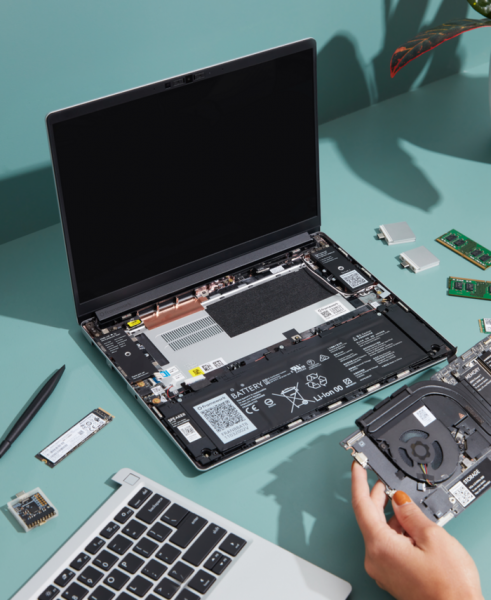
The primary idea behind the Framework Laptop is to provide the ability to assemble a laptop from modules, similar to how a user can build a desktop computer from separate components not dictated by a specific manufacturer. The Framework Laptop can be ordered in parts and assembled into a final device by the user. Each component in the device is clearly labeled and easy to remove. If needed, the user can quickly replace any module, and in case of a malfunction, attempt to repair their device independently using the instructions and videos provided by the manufacturer on assembly/disassembly, component replacement, and repair.
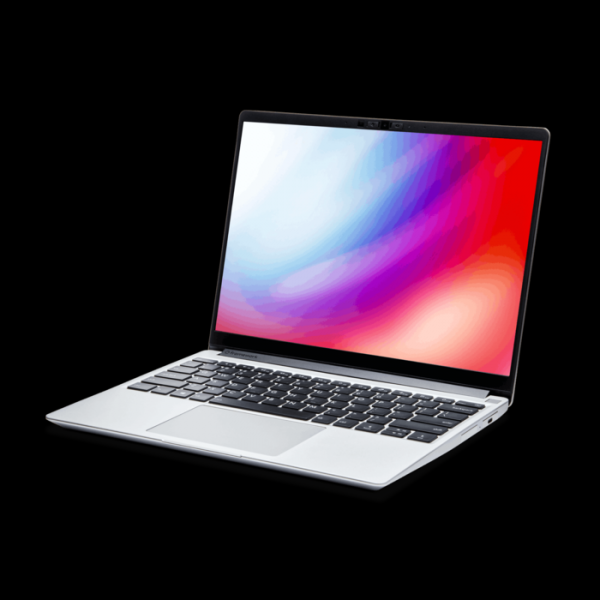
In addition to replacing the memory and storage, it is possible to change the motherboard, case (various color options are available), keyboard (different layouts), and wireless adapter. Through the Expansion Card slots, users can connect up to 4 additional modules with USB-C, USB-A, HDMI, DisplayPort, MicroSD, and a second storage drive without disassembling the chassis. This feature allows users to select the needed set of ports and replace them at any time (for example, if there is a lack of USB ports, the HDMI module can be replaced with USB). In case of a malfunction or for upgrades, components such as the screen (13.5” 2256×1504), battery, touchpad, webcam, keyboard, sound card, case, fingerprint sensor board, screen hinges, and speakers can be purchased separately.
A firmware release will additionally allow enthusiasts to create and install alternative firmware. The Embedded Controller firmware supports motherboards for 11th generation Intel Core i5 and i7 processors and is responsible for executing low-level hardware operations such as initializing the processor and chipset, managing lighting and indicators, interacting with the keyboard and touchpad, power management, and organizing the booting stage. The firmware code is based on the work of the open project chromium-ec, within which Google develops firmware for Chromebook family devices.
Future plans include continuing work on creating open firmware for components that are still tied to proprietary code (for example, wireless chips). A series of step-by-step installation guides for Linux distributions such as Fedora 35, Ubuntu 21.10, Manjaro 21.2.1, Mint, Arch, Debian, and Elementary OS is being developed based on user recommendations and wishes. Fedora 35 is recommended as the Linux distribution since it provides full support for the Framework Laptop out of the box.
Forrás: opennet.ru
