

Andreas Kling, a web browser Ladybird's founder, announced a change in the project's development process. Ladybird will no longer accept public pull requests and will only implement changes to the codebase through the maintainers. All already opened public pull requests will be closed. The Ladybird source code will continue to be provided under the BSD license. Reports of issues, vulnerabilities, and testing of website functionality will still be accepted unchanged. Third-party enthusiasts will also be able to participate in discussions related to standards support and the project's architecture.
The reasons for stopping the acceptance of public pull requests include preparation for the first alpha release, which requires a stricter distribution of responsibility for changes made. According to Ladybird's creators, code should only be accepted from those who are trustworthy and willing to take personal responsibility for every line of code, as well as whether the code fits the project's architecture and can be supported in the future.
Among the problems arising from accepting changes from everyone is a decrease in trust in patch authors — due to the possibility of changes being formed via AI, the size of the patch does not now correlate with the labor costs and time spent on development. Accepting third-party patches also simplifies the activities of malicious actors, initially generating working changes to earn trust for subsequently introducing hidden vulnerabilities into the code.
Additionally, the May report on the development of Ladybird can be noted. Recent achievements include:
- A JIT compiler for WebAssembly has been implemented based on Cranelift (the transition from interpretation to JIT compilation increased the performance of passing the CoreMark test by 8 times and 3-4 times for microtests of individual functions);
- A new content blocker has been implemented, based on the adblock-rust library from the Brave project, supporting filters styled like Adblock Plus and EasyList;
- The HTML parser has been rewritten in Rust;
- The content scroll code has been moved out of the main thread into a separate compositing process and transitioned to an asynchronous working model;
- Media Source Extensions API is enabled by default, and streaming video functionality has been improved.
- JavaScript bájt-kód cache rendszer került hozzáadásra a lemezen;
- A szemétgyűjtőben megvalósult az inkrementális memória-tisztító mód, amely kizárja a hosszú késleltetéseket és növeli a felhasználói felület reagálóképességét;
- Bővült a CSS támogatás, megvalósult a konténer lekérdezés (@container), a láthatósági hatókör (@scope), a "grid-template-columns: subgrid", valamint a "scroll-margin", "scroll-padding";
- API Permissions került hozzáadásra;
- Megvalósult az HSTS (HTTP Strict Transport Security) protokoll;
- Automatikusan meghatározva a szöveg kódolása;
- A webfejlesztők számára készült eszközökbe új funkcióként bekerült a flexbox és grid elrendezések vizsgálatának támogatása;
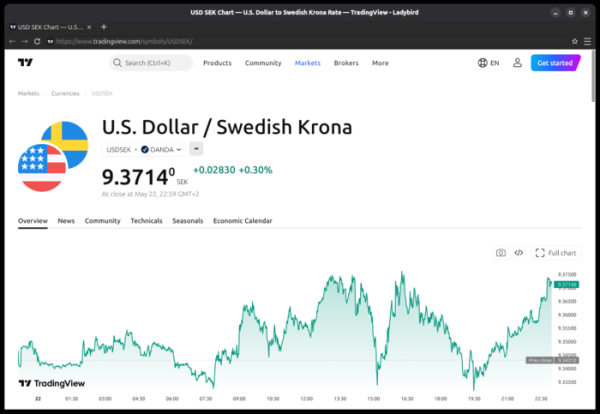
- Javított kompatibilitás Discorddal, Shopify-val, Reddittel, valamint a TradingView könyvtárra épülő grafikonokat használó weboldalakkal.

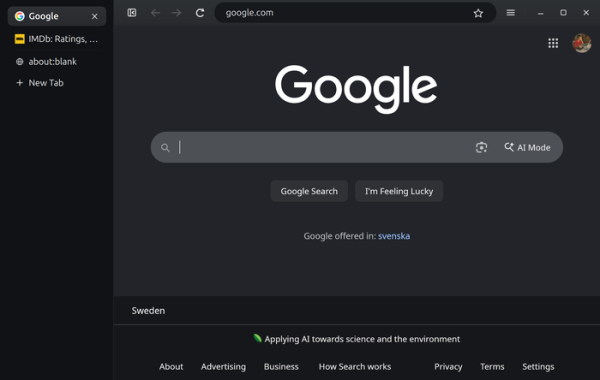
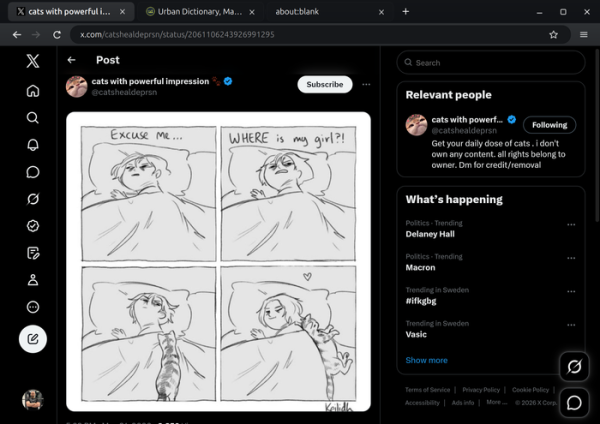
- A Qt könyvtár alapú felhasználói felület modernizálva lett. Megvalósult a fülek függőleges megjelenítése. Lehetőség lett a fülek egérrel való mozgására csoportosítás, leválasztás vagy más ablakba való áthelyezés céljából;

- A Qt által szabványosított panelek és gombok helyett saját fülek, eszköztár és címsor dizájn került bevezetésre. Lehetővé vált a nemrégiben bezárt fülek és ablakok helyreállítása. Megvalósult a szöveg beillesztésének funkciója az egér középső gombjával a vágólapról.

A Ladybird böngészőt Andreas Kling fejleszti, aki korábban a Nokianál dolgozott, és a KHTML fejlesztésén dolgozott, majd az Apple-nél a Safari egyik fejlesztője volt. A projekt eredetileg a SerenityOS operációs rendszerhez készült alkalmazásként indult, de 2024 nyarán külön projektté vált és 1 millió dolláros támogatást kaptak. A böngésző C++ nyelven íródott (a projekt Rust-ra való átkonvertálás alatt áll), és BSD licensz alatt terjesztik. A projekthez tartozik a saját LibWeb motor, a LibJS JavaScript értelmező és a kapcsolódó könyvtárak fejlesztése.
Forrás: opennet.ru
