

Arsyeja për shk writing timin e këtij artikulli ishte mbështetja zyrtare nga Qsan për lidhjen me sistemet e ruajtjes së të dhënave të prodhuesve të jashtëm. Ky fakt e dallon qartë nga shumë ofrues të tjerë dhe madje në një farë mase sfidon gjendjen tradicionale në tregun e ruajtjes së të dhënave. Megjithatë, thjesht të shkruash për lidhjen e ruajtjes së të dhënave Qsan + JBOD "i huaj" na dukej më pak interesante sesa të trajtojmë pjesërisht temën e ndjeshme të përdorimit të komponentëve të jashtëm.

Tema e përballjes midis ofruesve të sistemeve të ruajtjes së të dhënave (si, në fakt, edhe e pajisjeve të tjera Enterprise) dhe përdoruesve të tyre që dëshirojnë të përdorin komponentë të jashtëm do të mbetet gjithmonë aktuale. Sepse në themel të kësaj përballjeje qëndrojnë paratë. Dhe paratë herë pas here janë mjaft të konsiderueshme. Çdo palë ka argumente mjaft bindëse në favor të pikëpamjes së saj dhe shpesh merr masa të caktuara për ta bërë këtë pikëpamje të duket e vetmja e saktë. Le të përpiqemi të kuptojmë, nëse ka mundësi kompromisi, në mënyrë që të dy palët të jenë të kënaqura.
Argumentet tipike të ofruesve të sistemeve të ruajtjes së të dhënave, të cilët kërkojnë përdorimin e detyruar të komponentëve të markës së tyre, zakonisht janë këto:
- "Komponentët tanë" janë 100% kompatibilë me sistemin e ruajtjes së të dhënave. Nuk do të ketë surpriza. Dhe nëse ndodhin, ofruesi do t'i zgjidhë ato në kohë të shkurtër;
- Mbështetje dhe garanci në një "dritare" për të gjithë zgjidhjen në tërësi.
E gjithë kjo rezulton në faktin se çmimi i komponentëve të markës shpesh tejkalon atë të produkteve të ngjashme që shiten në tregun e lirë. Dhe përdoruesit, natyrisht, ndjejnë dëshirën për të "mashtuar sistemin", duke futur komponentë që nuk janë zyrtarisht të destinuar për sistemin e ruajtjes. Duhet theksuar se këto veprime janë vënë re jo vetëm nga maturantët e djeshëm, por edhe nga organizata serioze.
Komponentët më të njohur të prodhuesve të jashtëm që duan të instalohet në sistemet e ruajtjes së të dhënave, padyshim, janë diskot. Kjo është e lidhur me faktin se çmimi i diskove të markës është mjaft i lehtë për t'u krahasuar me ato të dyqaneve. Dhe prandaj, në sytë e përdoruesve, çmimi i tyre fsheh "lakminë" e ofruesit.
Furnizuesit e SxhD-së nuk mund të qëndrojnë thjesht pa vepruar ndaj veprimeve që ata i konsiderojnë të paligjshme nga ana e përdoruesve dhe vendosin të vënë pengesa. Këtu përfshihet vendor lock mbi përbërësit e 'tyre', si dhe refuzimi për të mbështetur pajisjen në rastin e përdorimit të disqeve të paligjshme (edhe nëse problemi është i dukshëm dhe nuk lidhet me to).
A justifikon loja ndëshkimin? Le të shohim nëse mund të arrijmë ndonjë përfitim në këtë situatë dhe me çfarë kostoje.
100% përputhshmëri

Të jemi të sinqertë, duke pranuar se numri i prodhuesve të vërtetë të disqeve HDD dhe SSD është i vogël. Seritë modelore të secilit prej tyre janë të përfunduara dhe nuk përditësohen me një shpejtësi të madhe. Prandaj, potencialisht është e mundur që të testohet, nëse jo të gjitha, të paktën një pjesë e konsiderueshme e disqeve nga furnizuesi i SxhD-së. Një konfirmim i këtij fakti është mbështetje e disqeve të paligjshme në listat e përputhshmërisë me një numër të njohur të furnizuesve të SxhD-së. Për shembull, nga .
Mbështetje dhe garanci për tërë zgjidhjen në tërësi

Djathë i lirë, e dini se ku gjendet. Prandaj mbështetja e furnizuesit (dhe jo vetëm garancitë) kurrë nuk është falas.
Duke blerë disqe nga ana, duhet të jeni të përgatitur që, në rast të problemeve me to, përdoruesi do të duhet të zgjidhë problemet me furnizuesin e tij (furnizuesit e disqeve rrallë ofrojnë mbështetje të drejtpërdrejtë për përdoruesit e tyre). Është plotësisht e mundshme të përballeni, për shembull, me një situatë kur një disk do të refuzohet nga SxhD-ja gjatë punës, ndërsa furnizuesi e konsideron atë të mirë. Gjithashtu, shpejtësia e zëvendësimit të disqeve të prishura do të rregullohet nga marrëdhënia blerës-shitës. Dhe vështirë se do të jetë e disponueshme në një kohë të shkurtër.
Nëse përdoruesi është i gatshëm të pranojë këto kufizime, atëherë mund të përpiqet të 'bëjë një plan rezervë'. Për shembull, të blejë disqe rezervë paraprakisht. Të tilla veprime, natyrisht, do të kërkojnë investime shtesë, por në disa raste do të mbeten ende financiarisht tërheqëse.
Pas të gjitha këtyre debateve mbi përdorimin e komponentëve kompatibël, nuk duhet të harrojmë për çfarë, në fakt, u nismë gjithë kjo punë. Storage Area Network (SAN) është një nga mjetet e biznesit. Çdo mjet duhet të sjellë një rikthim prej 146% të investimeve. Çdo mungesë e thjeshtë në SAN, e veçanërisht humbja e të dhënave në të, është një luks i papranueshëm dhe një humbje serioze parash. Prandaj, duke marrë një vendim për të përdorur disqet e pamohuar për kursim, është e rëndësishme të kujtojmë pasojat serioze të veprimeve tona.
Pa dyshim, duket të jenë më të preferueshme se ato "të dyqanit" në shumë aspekte. Por, siç e tregon praktika, në jetën e kompanive të çdo madhësie ndodhin momente kur burimet për zhvillimin e infrastrukturës IT nuk janë aq të shumta sa do të donim. Prandaj, ekzistenca e mundësisë për të përdorur është një përfitim i madh. Një avantazh i qartë i SAN-ve që mbështesin përdorimin si të disqeve "të veta", ashtu edhe të disqeve kompatibël është fleksibiliteti në marrjen e vendimeve dhe minimizimi i rreziqeve gjatë përdorimit.
Dhe nëse mbështetje e disqeve të palëve të treta nuk është çudi për askënd (të jemi të sinqertë: nuk është prodhuesi i vetëm që ofron këtë mundësi). Megjithatë, mbështetja për raftet e zgjerimit JBOD nga të gjithë prodhuesit gjithmonë kufizohet në modelet e tyre të vetat. Po, në disa raste, disa nga raftet e tyre janë rezultat i bashkëpunimit OEM mes prodhuesit të SAN dhe një prodhuesi tjetër. Por këto JBOD gjithmonë kanë versionin e tyre unik të firmware (përfshirë për realizimin e vendor lock), shiten përmes kanaleve të prodhuesit të SAN dhe ofrohen me mbështetje prej tij. Rasti me Qsan është unik për faktin se mbështet konkretisht raftet "e huaja". Aktualisht, modelet që kanë statusin e kompatibilitetit janë:
- Seagate Exos E 4U106 – 106 disqe LFF në një kuti 4U
- Western Digital Ultrastar Data60 – 60 disqe LFF në një kuti 4U
- Western Digital Ultrastar Data102 – 102 disqe LFF në një kuti 4U
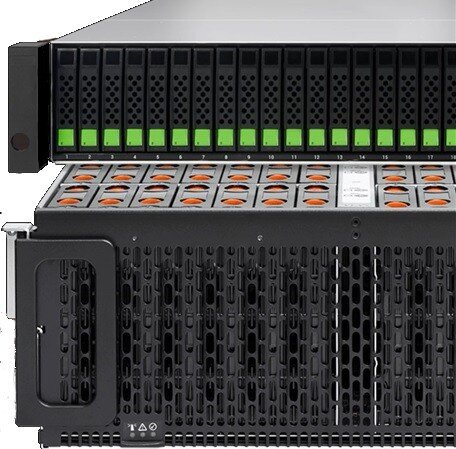
Të gjitha raftet e mbështetura i përkasin klasës High Density. Dhe është e kuptueshme: nuk do të kishin planifikuar të krijonin konkurencë për JBOD-t e tyre të serisë ndjeshëm nuk ishin në plan. Megjithatë, këto raftet, edhe pse nuk kërkohen aq shpesh sa JBOD-et e formateve standarde, janë të nevojshme në disa detyra që kërkojnë numra të mëdha disqesh.
Si në rastin e disqeve, përdoruesit kanë mundësinë të zgjedhin se ku dhe si të blejnë një JBOD të përshtatshëm. Nëse keni nevojë për mbështetje për zgjidhjen e plotë, atëherë është më mirë të kontaktoni Qsan. Nëse jeni të gatshëm të zgjidhni çështje garancie me furnizues të ndryshëm, atëherë mund të blini JBOD nga palë të treta. Në çdo rast, kur planifikoni të përdorni polici të jashtme, duhet të lexoni me kujdes dokumentacionin përkatës, ku janë të shënuara kufizimet e mundshme në konfigurimet dhe kërkesat për hardware/software për të gjitha komponentët.
Përsëri, duke u kthyer në çështjen e zgjedhjes "të vetën/të huaj" në lidhje me JBOD, është e rëndësishme të përmendet se nuk është e ndaluar puna e përbashkët. dhe prodhues të tjerë në kuadër të një sistemi të unifikuar. Prandaj, gjatë përdorimit, mund të qaseni në mënyrë fleksibile ndaj çështjes së zgjerimit të kapacitetit në varësi të kërkesave aktuale dhe mundësive financiare.
Blerja e një ruajtësi të dhënash nga një furnizues i caktuar dhe përpjekjet pasuese për ta plotësuar atë me komponentë të papërshtatshëm për të kursyer është një qasje e paefektshme nga ana e disa klientëve. Në këtë rast, shpesh humbet kuptimi i plotë i posedimit të tillë të ruajtësit, pasi nuk do të ketë mbështetje të plotë nga ana e furnizuesit. Më e zgjuar është thjesht të zgjidhni një furnizues ruajtës që nuk ka këto kufizime. është pikërisht një i tillë, duke ofruar përdoruesve mundësinë të vendosin se cilët komponentë të përdorin dhe ku t'i blejnë.
Burimi: habr.com
