

Kontigjohet çever për platformën e hapur webOS Open Source Edition 2.17, e cila mund të përdoret në pajisje të ndryshme portative, plaka dhe sisteme infotainment në automjete. Si platforma referuese e harduerit, shqyrtohen plakat Raspberry Pi 4. Platforma zhvillohet në një depë publike nën licencën Apache 2.0, dhe zhvillimi koordinohet nga komuniteti, duke ndiqur një model të përbashkët të menaxhimit të zhvillimit.
Platforma webOS ishte fillimisht e zhvilluar nga kompania Palm në vitin 2008 dhe u përdor në smartphone-t Palm Pre dhe Pixie. Në vitin 2010, pas blerjes së kompanisë Palm, platforma kaloi në duar të Hewlett-Packard, e cila përpiqej ta përdorë këtë platformë në printerët, tabletët, laptopët dhe PC-të e saj. Në vitin 2012, kompania HP njoftoi kalimin e webOS në një projekt të hapur të pavarur dhe në vitin 2013 filloi publikimin e kodit burim të komponenteve të tij. Në vitin 2013, platforma u bleu nga LG nga Hewlett-Packard dhe tani përdoret në më shumë se 70 milion televizorë dhe pajisje konsumatorësh nga LG. Në vitin 2018, u themelua projekti webOS Open Source Edition, përmes të cilit kompania LG u përpoq të kthehet në një model të hapur të zhvillimit, të tërheqë pjesëmarrës të tjerë dhe të zgjasë gamën e pajisjeve të mbështetura në webOS.
Mjedisi sistemor i webOS formohet duke përdorur mjetet dhe paketat bazë OpenEmbedded, si dhe sistemin e ndërtimit dhe grupin e metadatat nga projekti Yocto. Komponentët kryesorë të webOS janë menaxheri i sistemit dhe aplikacioneve (SAM, System and Application Manager), i cili është përgjegjës për ekzekutimin e aplikacioneve dhe shërbimeve, dhe menaxheri i sipërfaqes Luna (LSM), i cili formon ndërfaqen e përdoruesit. Komponentët janë të shkruar duke përdorur kornizën Qt dhe motorin e shfletuesit Chromium.
Rendering is done through a composite manager using the Wayland protocol. To develop user applications, it is recommended to use web technologies (CSS, HTML5, and JavaScript) and the Enact framework based on React, although it is also possible to create programs in C and C++ with a Qt-based interface. The user shell and built-in graphical applications are mainly implemented as native programs written using QML technology. By default, the Home Launcher shell is offered, optimized for touchscreen management and providing the concept of interchangeable cards (instead of windows).
For storing data in a structured format using JSON, the DB8 storage is employed, which uses LevelDB as the backend. Booting is initialized using bootd based on systemd. For handling multimedia content, the uMediaServer and Media Display Controller (MDC) subsystems are offered, while PulseAudio is used for sound. serverë Automatic firmware updates are managed through OSTree and atomic partition replacement (two system partitions are created, one active and the other used for updating).
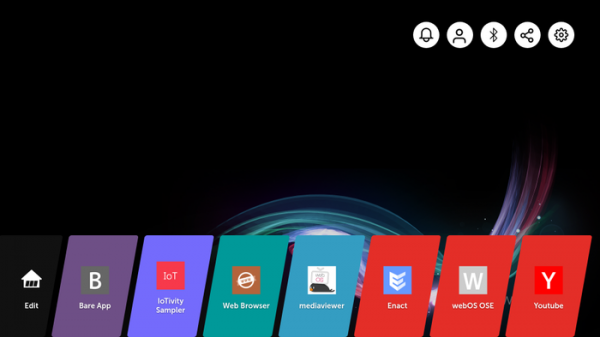
Key changes in the new release:
- Improved responsiveness when handling touches on the touchscreen.
- Audio server PulseAudio has been updated to version 15.0 (previously version 9.0 was used).
- The webOS Edge AI framework has been included with libraries for machine learning TensorFlow Lite, Arm Compute, and Edge AI Vision 1.0 (which can be used for facial and object recognition, for example).
- VLAN support has been implemented in the emulator.
Burimi: opennet.ru
