

Xiaomi today officially unveiled an updated version of the Xiaomi SU7 electric vehicle, featuring a wide range of improvements: the CLTC range has been increased to 902 km, LiDAR is now standard on all trim levels, the charging architecture reaches 897 V in the Max version, and much more.
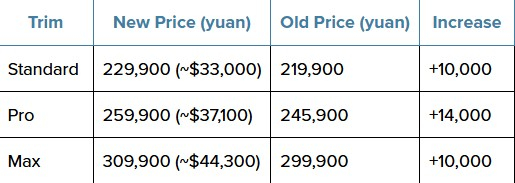
The updated sedan's base Standard trim starts at 229,900 yuan (approximately $33,000), which is still approximately 5600 yuan (approximately $800) cheaper than the Tesla Model 3 in China, despite a price increase of 10,000 to 14,000 yuan (depending on trim) compared to the previous model. Xiaomi received nearly 89,000 pre-orders in the first 24 hours after opening pre-orders for the new-generation SU7 in January.
The original SU7 was released two years ago and quickly became one of the best-selling premium electric cars in China. At the end of 2025, Xiaomi overtook the Tesla Model 3 in sales in the Chinese market for the first time. Over the past 21 months, the company has delivered over 360 SU7 vehicles. The new-generation model is designed to widen this gap.
The main change in the new-generation SU7 is platform-related. The Standard and Pro trims use a 752-volt architecture (previously 400-volt) with silicon carbide inverters, while the Max uses an 897-volt architecture (previously 871-volt). This directly impacts charging speed. Xiaomi claims the Max trim can now charge 430 miles (670 km) in 15 minutes, compared to 310 miles (510 km) for the previous version. Support for 5C ultra-fast charging allows the battery to be charged from 10% to 80% in approximately 11 minutes.
The new generation SU7's range has increased significantly across all trim levels:
- Standard — 720 km CLTC (previously 700 km);
- Pro — 902 km CLTC (previously 830 km — increase of 72 km);
- Max — 835 km CLTC (previously about 800 km).
The Pro model's 902 km range is impressive. By comparison, that's approximately 560 miles on the Chinese test cycle, which typically equates to a real-world range of around 400+ miles—significantly more than any Tesla model currently offers.
All SU7 trims now come standard with the Xiaomi V6s Plus engine. This increases the output of the single-engine Standard and Pro versions from 299 to 320 hp. The dual-engine Max version's output has been increased from 673 to 690 hp.
Considerable attention was paid to the chassis. The Pro model received a dual-chamber air suspension with Continuous Damping Control (CDC), previously exclusive to the Max trim. All models received wider, mixed-size tires—245 mm front and 265 mm rear—and four-piston fixed front brake calipers. The Max trim is optionally equipped with Brembo calipers with cross-drilled and ventilated discs. Aerodynamics have also been slightly improved, with a drag coefficient of 0,21.

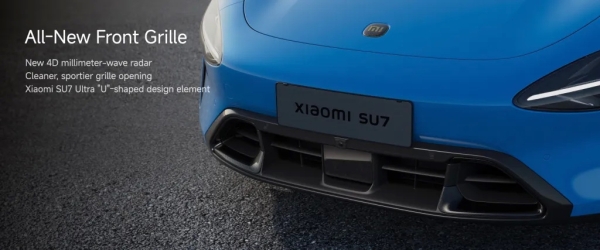
In the previous SU7 version, the LiDAR system was only available in the top-of-the-line configuration. In the next-generation model, it has become standard across all three variants, along with a 4D millimeter-wave radar and a unified computing platform, delivering 700 TOPS of computing power, up from the previous model's maximum of 508 TOPS.
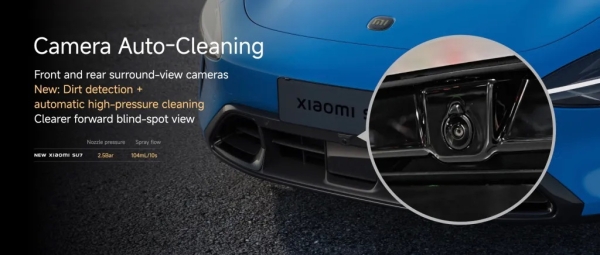
Xiaomi's HAD (Highway Autonomous Driving) autonomous driving system is now included on all SU7 models, even the $33,000 base model. Competitors typically charge a hefty premium for it.
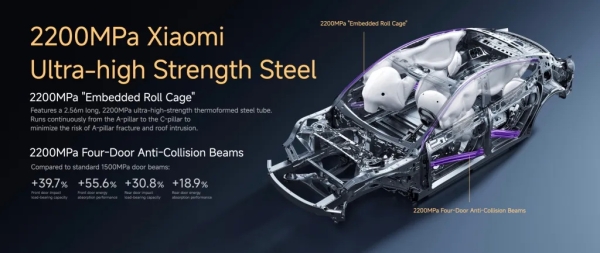
Xiaomi has clearly addressed the safety concerns raised by the series of high-profile incidents involving the original SU7. The body structure now uses ultra-high-strength steel with a tensile strength of 2200 MPa in critical areas (previously 2000 MPa), and the battery pack now features a 1500 MPa steel cross beam and a reinforced wear-resistant underbody coating. The number of airbags has increased from 7 to 9 across all models. New side airbags for rear passengers have been added. The recessed door handles, previously criticized, now feature a triple-redundancy system with a mechanical backup mechanism that operates without power.
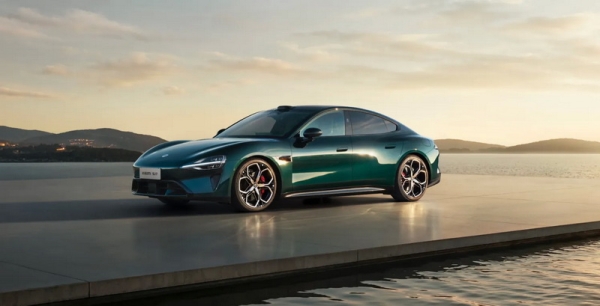
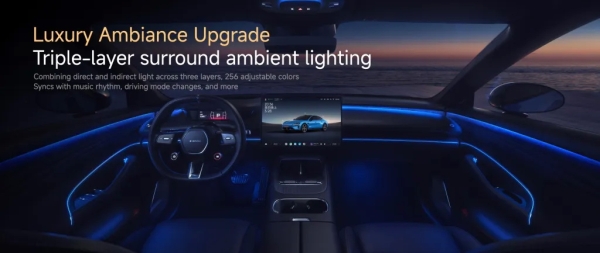
The Xiaomi SU7's visual changes are minor. The manufacturer offers a new Capri Blue exterior color, updated headlights, and new 20-inch wheels. Inside, Xiaomi has added a "Dark Night Black" trim, a new two-tone steering wheel, a redesigned center console, and dynamic lighting. The changes aren't dramatic, but they weren't necessary—the SU7's design was already well-received. The company focused on where it matters most: performance and safety.
The base version of the Tesla Model 3 RWD in China starts at 235,500 yuan with a CLTC range of 634 km. The base version of the SU7 offers a range of 720 km and LiDAR, while being 5600 yuan cheaper. Mass deliveries of the updated model will begin immediately after today's official launch. Xiaomi plans to produce over 16,000 units of the new-generation SU7 in March alone.
Source:
Source: 3dnews.ru
