

In the spring of 2022, the American company Intel officially wound down its business in Russia, attempted to move the staff of its local development center outside the country, and by April 2024, sold the center in Nizhny Novgorod. Recently, a Russian court ruled that Intel can no longer use the Celeron trademark in the Russian Federation.
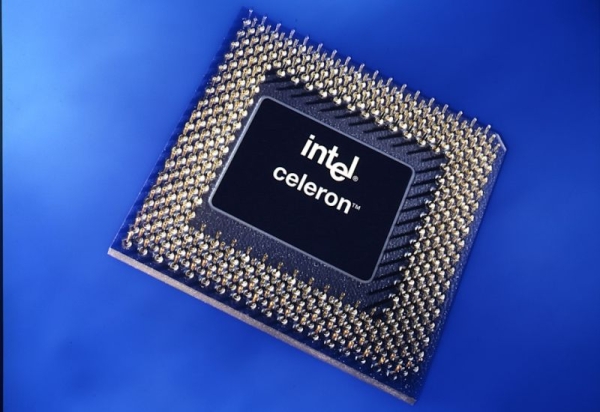
Of course, the decision wasn't made out of nowhere. The Russian company TS Integration, which is part of the T1 holding, explains CNews, previously filed a lawsuit against Intel demanding that Russian patent authorities cease protecting the "Celeron" and "Селерон" trademarks in Russia. A recent court ruling invalidated the "Celeron" and "Селерон" trademarks, which relate to computer hardware and electronics, software, telecommunications, and business services. The ruling was based on Intel's prolonged failure to use these trademarks in Russia.
In our country, Intel Corporation registered these trademarks in 1998, when processors of the same name were being actively promoted worldwide. Patent applications allowing Intel to retain these trademarks were renewed twice—in 2008 and 2018. In addition to terminating trademark protection, the court awarded Intel 50 rubles to compensate the plaintiff for the state fee for filing the claim. The court's decision took effect immediately, but Intel retains the right to appeal it to the Presidium of the Intellectual Property Court within two months of its issuance.
Celeron processors were historically intended for low-cost PCs and laptops; the first member of the family was introduced in April 1998 as part of the Pentium II line. By September 2022, Intel announced it would phase out the Celeron and Pentium brands in the low-end mobile segment. These brands are now being replaced by the Intel Processor N designation. The Celeron brand has effectively been relegated to the embedded solutions segment. If not for the court's decision, Intel would have retained the right to use the Celeron trademark in Russia until 2028. Representatives of TS Integration did not explain to CNews why the plaintiff in this case sought to overturn the trademark's legal protection.
Source:
Source: 3dnews.ru

