

Any crisis opens up opportunities for market participants. The shortage of components for artificial intelligence infrastructure has prompted Japanese glass manufacturers to expand their product range with materials in demand in this market segment. Asahi Kasei and Nitto Boseki decided take advantage of the a chance given by fate to profit from the AI boom.
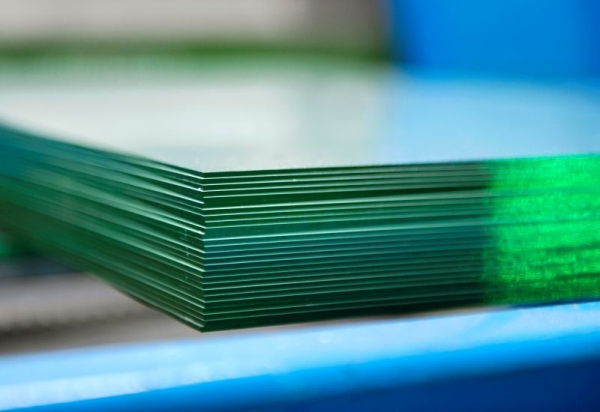
The fact is that the production of chips for AI infrastructure uses glass substrates with a low coefficient of thermal expansion. Asahi Kasei, a Japanese manufacturer of glass for various applications, plans to produce this type of glass fiber. The company has never produced such products before, so it will take several years to begin mass production.
In turn, the Japanese Nitto Boseki already occupies 90% The global market for low-thermal-expansion glass fiber is at a premium. There are few suppliers in this market segment, yet demand for these products is very high. In addition to substrate materials, glass manufacturers can also produce optical fiber for high-speed data transmission. They also create insulating materials, which are also used in the production of chip substrates. If Asahi Kasei enters the low-thermal-expansion materials market, customers will welcome the reduction in their dependence on competitor Nitto Boseki.
The increasing surface area of modern chips and their heat dissipation is driving demand for such materials, which do not deform at high temperatures. Nitto Boseki was the first company in the world to produce fiberglass back in 1938, making it the company with the most extensive experience in this field. Meanwhile, Asahi Kasei is determined to compete and has already provided samples of its specialized materials to customers.
Nippon Electric Glass decided to return to this market in 2024 and began supplying specialized types of glass fiber late last year, although it was forced to curtail production some time ago due to declining demand for similar products. Starting this year, the company expects to make specialized versions of glass fiber for the semiconductor industry its main source of revenue, and expects to generate $63 million in sales this year alone. Glass fiber has traditionally been in demand in the construction and automotive industries, but these have not generated adequate sales volumes in Japan in recent years. Furthermore, competition from Chinese companies is increasing in the broader glass market. AGC also pins its hopes for increased operating profit on increased supplies to the semiconductor sector. Producing specialized types of glass fiber is more profitable in terms of profit margins.
AGC plans to begin producing glass substrates for chips by 2028. Among other things, their use can reduce energy consumption by up to 30%. Intel is interested in these materials. Japanese companies Dai Nippon Printing and Toppan are also ready to begin producing such substrates. Nitto Boseki is building a new building at its Fukushima facility to triple its production of low-expansion glass fiber by next year.
Source:
Source: 3dnews.ru
