

The second alpha release of the Pidgin 3.0 instant messaging client (2.96) has been released. This release is marked as not yet ready for everyday use. Builds have been prepared in Flatpak format and are available in the beta repository on Flathub.
Pidgin 3 has been in development since 2011, after three years of conceptual and conceptual discussions. Pidgin 3 features the GObject type system, GTK4 and Adwaita libraries, the Meson build system, GPlugin for plugin processing, SQLite for storing chat history, and GSettings for managing settings. The API has been completely redesigned. GTK Builder XML is used to define interface elements, and a custom widget library, Talkatu, has been created to display chat history.
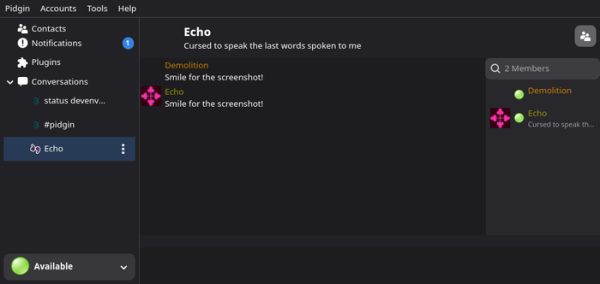
The Pidgin 3 interface combines the contact list and chat into a single window. The Finch console client has been discontinued (it may be reinstated in the future). Protocol implementations are currently being developed for IRCv3, XMPP, SIP, Demo, Bonjour, and Zulip. The Pidgin 3 branch is incompatible with Pidgin 2 and previously created plugins, but can be installed side-by-side with existing Pidgin 2 builds.
Changes in this test release include:
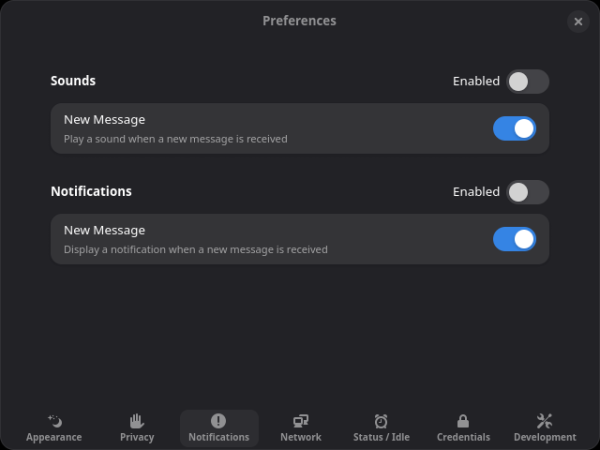
- The functionality for displaying text notifications and sound alerts for new messages has been migrated from the purple-toast and notification-sound plugins to the core Pidgin package. Options for managing notification output have been added to the settings.

- Avatars of discussion participants are now displayed.

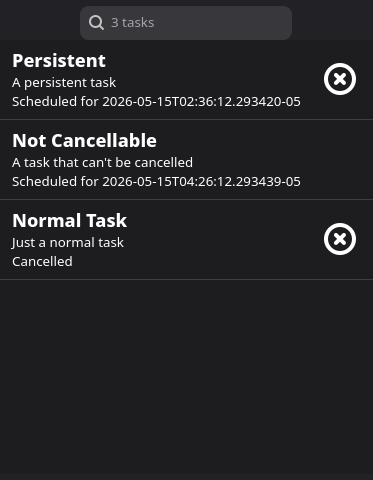
- A user interface has been added for managing the built-in Scheduler for running scheduled tasks. This interface, for example, allows you to find out how long it will take before the next connection attempt is made.

- In the implementation of the protocol for
The Zulip messaging platform now allows you to send messages directly to users and groups. - Added the ability to log in by scanning a QR code.
Source: opennet.ru
